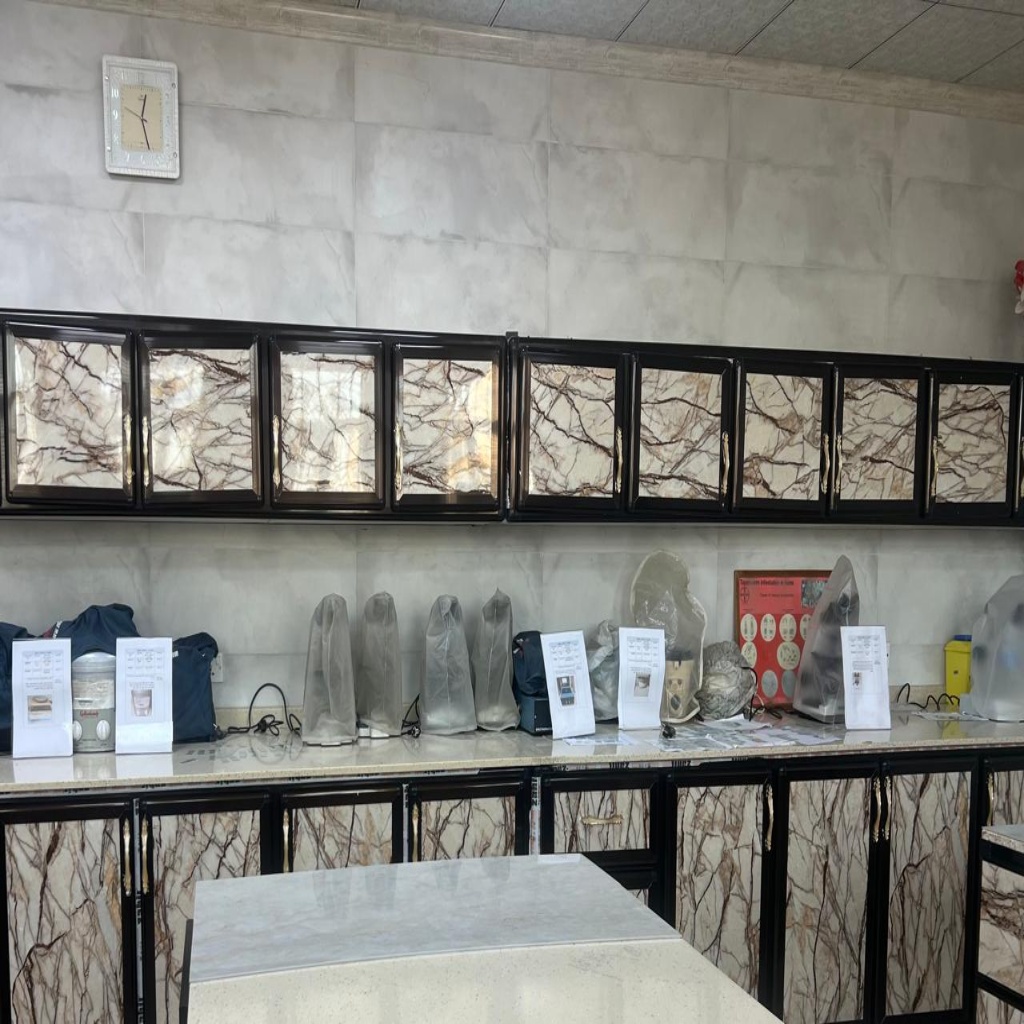
Parasitology Laboratory
The Parasitology Laboratory in the Department of Medical Laboratory Techniques is one of the essential educational and practical laboratories concerned with the study and diagnosis of medically important parasites, including protozoa and helminths. The laboratory aims to prepare students who possess advanced practical skills in microscopic examination and accurate laboratory diagnosis, in accordance with established scientific standards.**
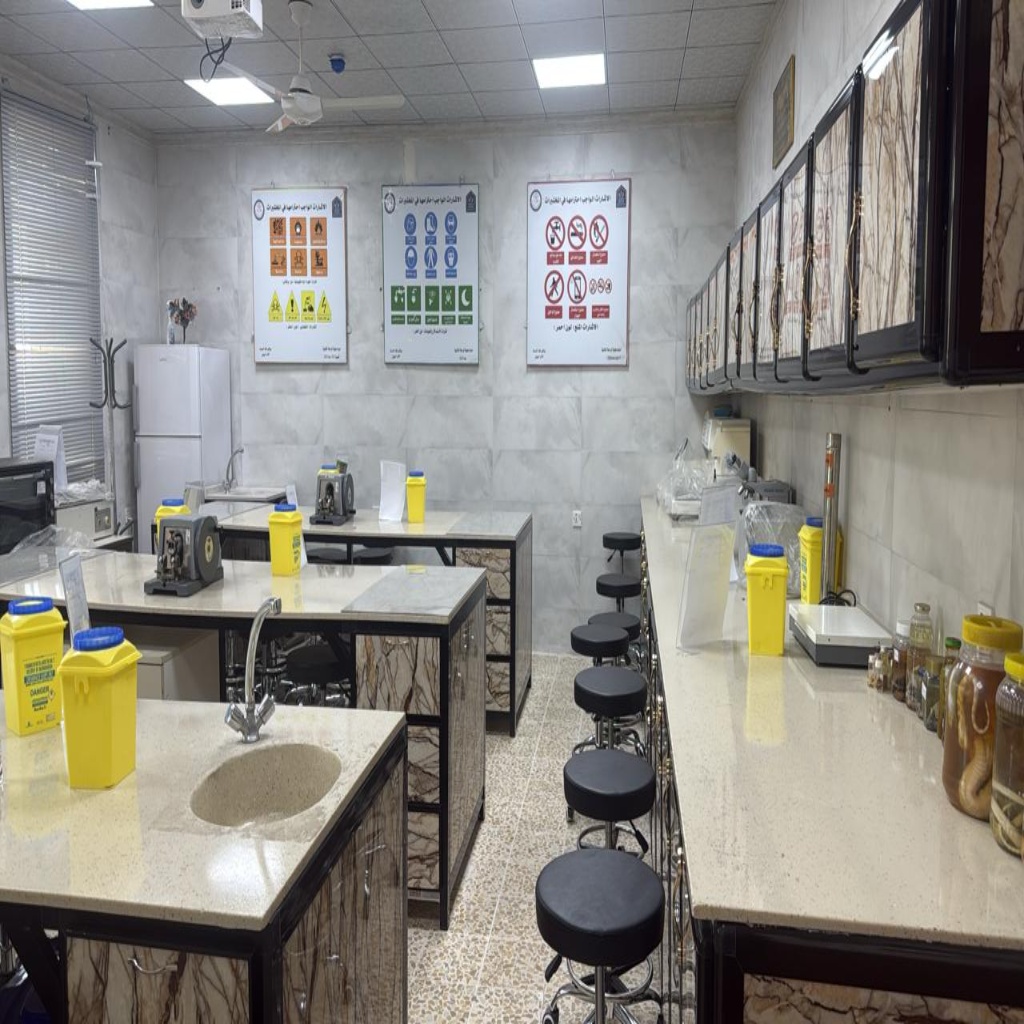
Microscopy Laboratory
To provide highly accurate and reliable histopathological diagnostic services through the preparation and examination of tissue slides using the latest laboratory techniques, while maintaining efficiency and timely performance to support physicians in making critical clinical decisions that contribute to saving patients' lives.**
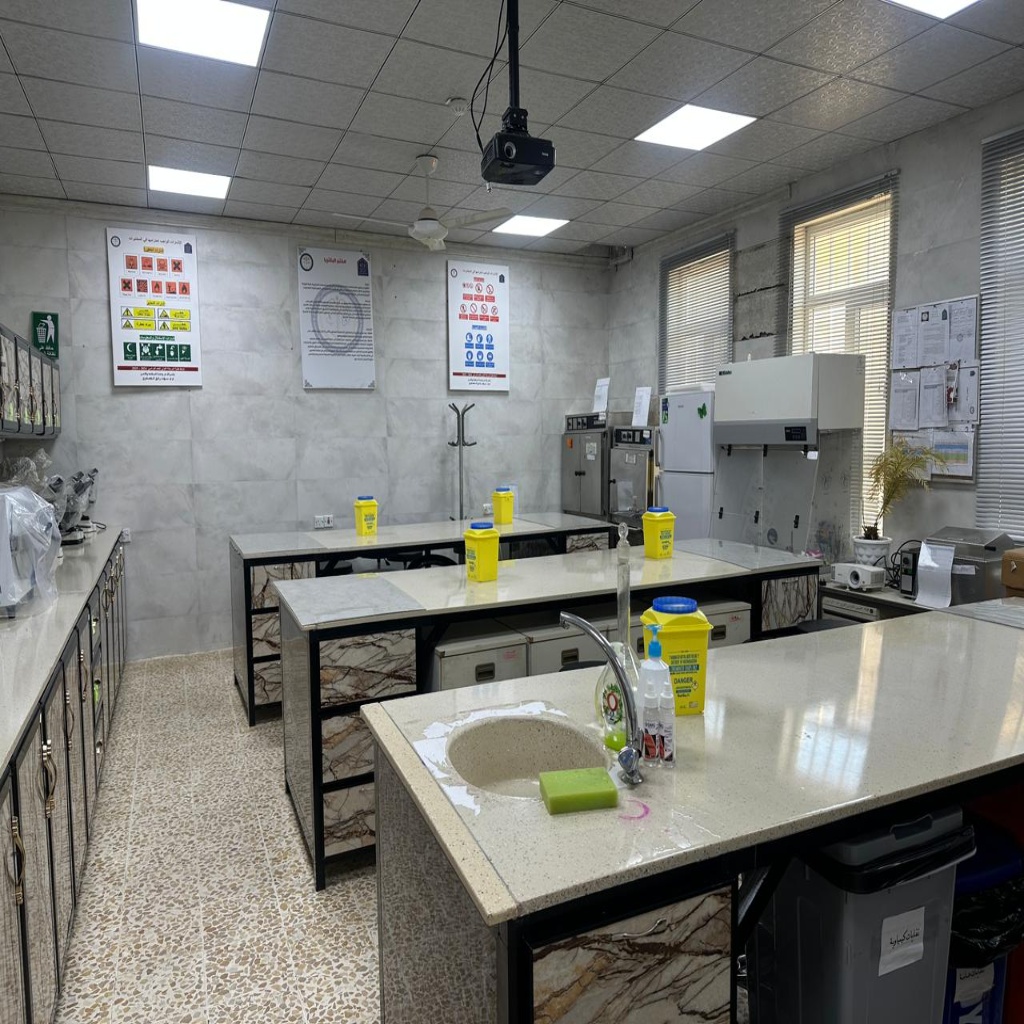
Bacteriology and Mycology Laboratory
The Bacteriology and Mycology Laboratory is one of the fundamental laboratories in medical and biological studies. It aims to train students in the study of bacterial and fungal microorganisms, understand their morphological, cultural, and biochemical characteristics, and develop practical and accurate skills for their identification and diagnosis.
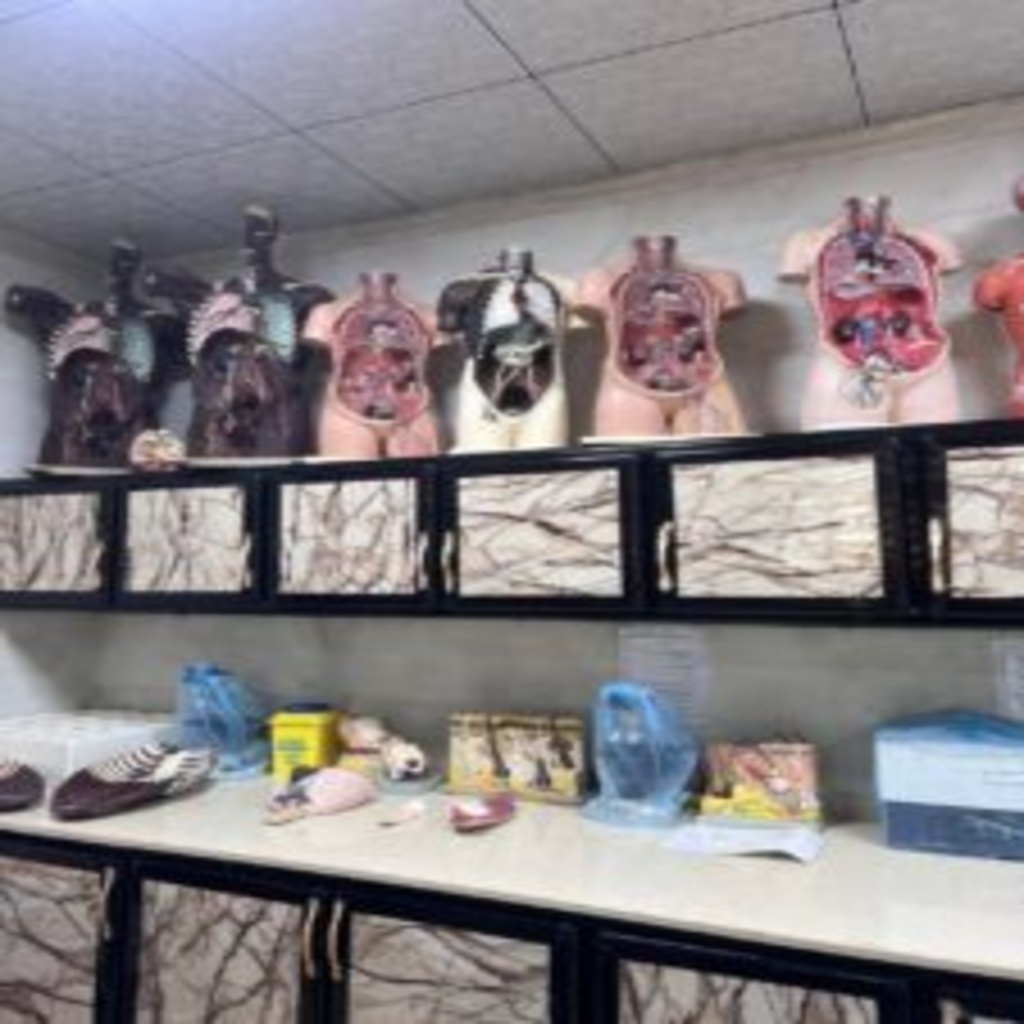
Histology Laboratory
This laboratory is one of the core laboratories in the Department of Medical Laboratories and serves as an essential component of the scientific foundation for the department's students. It aims to provide students with knowledge of the general anatomy of the human body from both the gross (organ systems and organs) and microscopic (tissues) perspectives, with particular emphasis on histological structures. It also aims to familiarize students with the structure of medical equipment and the proper methods for handling and operating it.
Immunology Laboratory
It is one of the laboratories specialized in pathological analyses. It focuses on the study of the immune system and the diagnosis of related diseases through the detection of antibodies, antigens, and various immunological factors.**
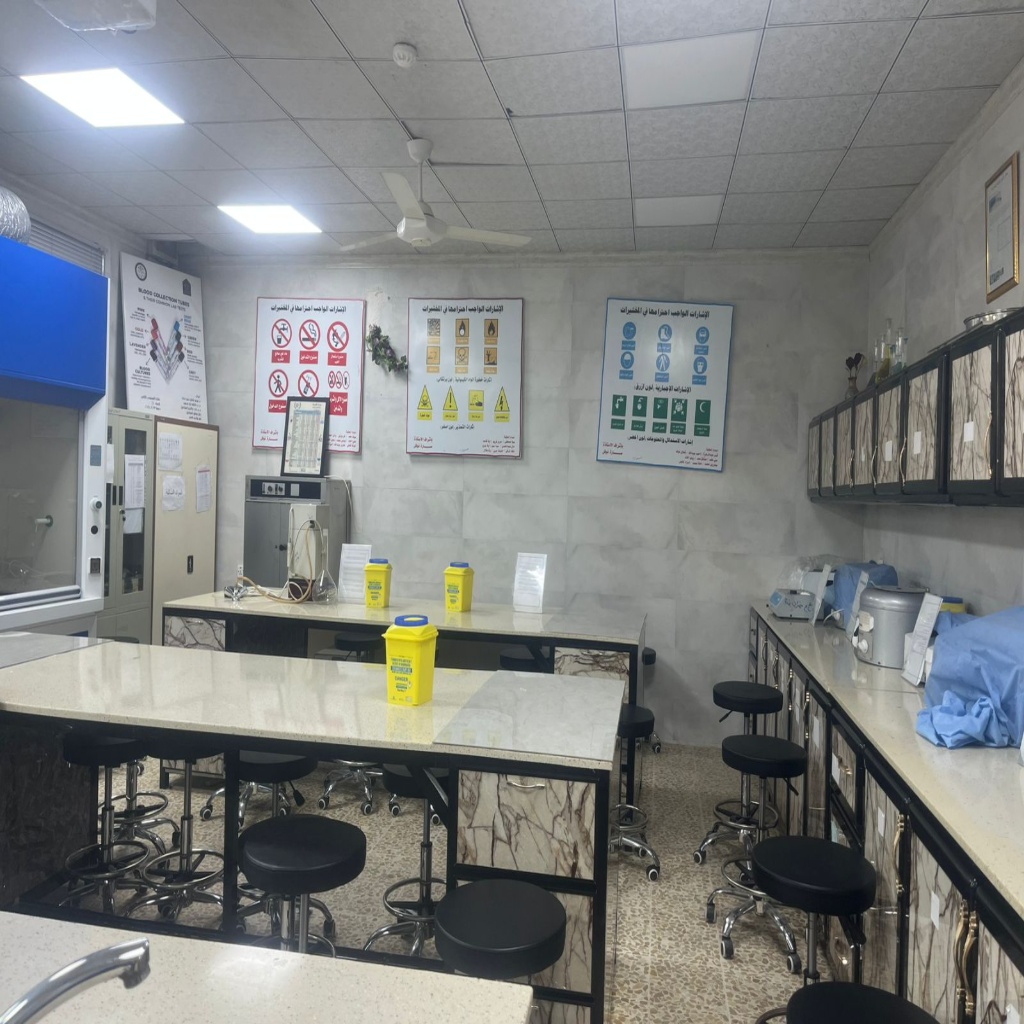
Hematology Laboratory
Providing high-quality laboratory education and training that integrates theoretical concepts with practical applications in Hematology and Blood Transfusion courses, with an emphasis on developing students’ skills in accurate diagnosis and safe blood transfusion procedures according to safety and quality standards.**
Biochemistry and Clinical Chemistry Laboratory
The Biochemistry and Clinical Chemistry Laboratory is one of the most important sections of medical laboratories. It is concerned with the study and analysis of biochemical components in body fluids such as blood, serum, plasma, urine, and cerebrospinal fluid, with the aim of diagnosing diseases, monitoring their progression, and evaluating the response to treatment.**
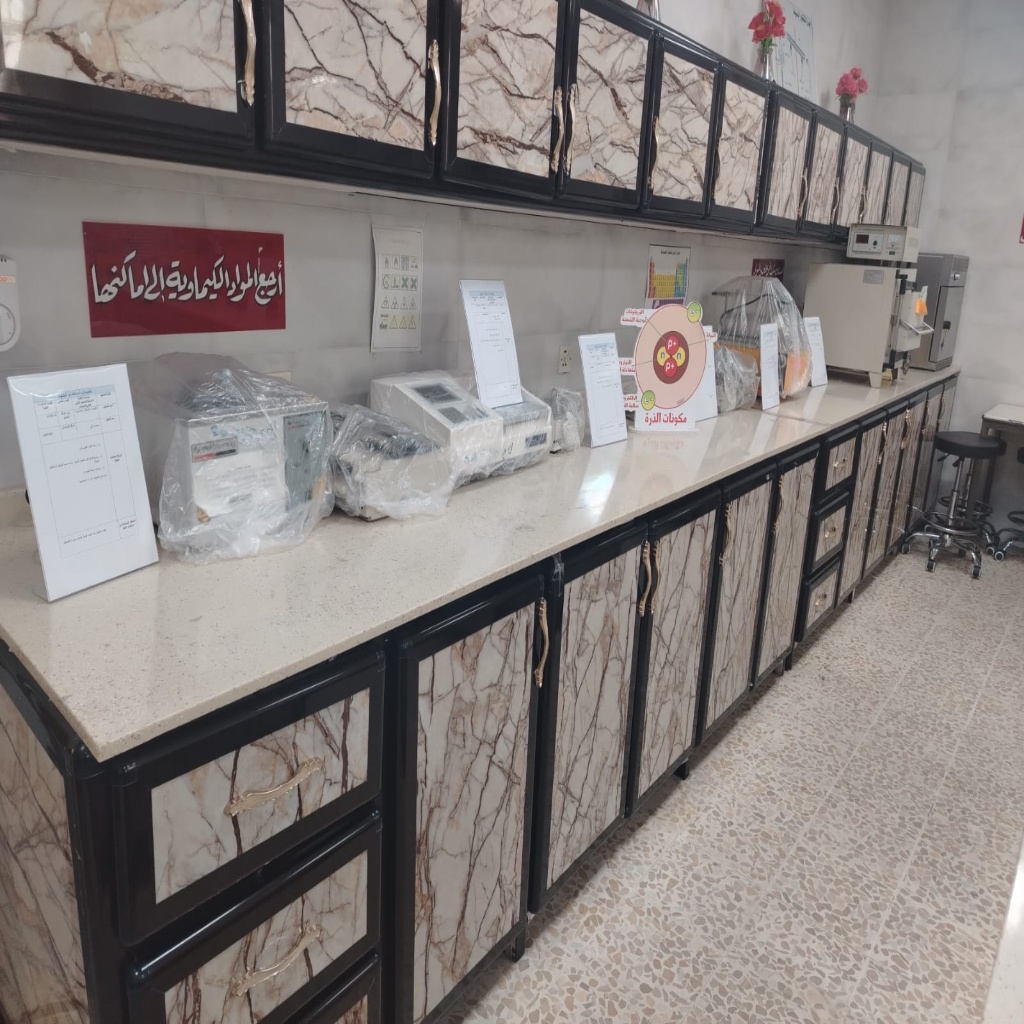
Analytical and Organic Chemistry Laboratory
Through laboratory experiments, students become familiar with the properties of materials, their internal behavior, the outcomes of chemical reactions between them, and the uses and importance of laboratory equipment. The laboratory also aims to develop students’ practical skills.****Translation:** > **Through laboratory experiments, students become familiar with the properties of materials, their internal behavior, the outcomes of chemical reactions between them, and the uses and importance of laboratory equipment. The laboratory also aims to develop students’ practical skills.**